
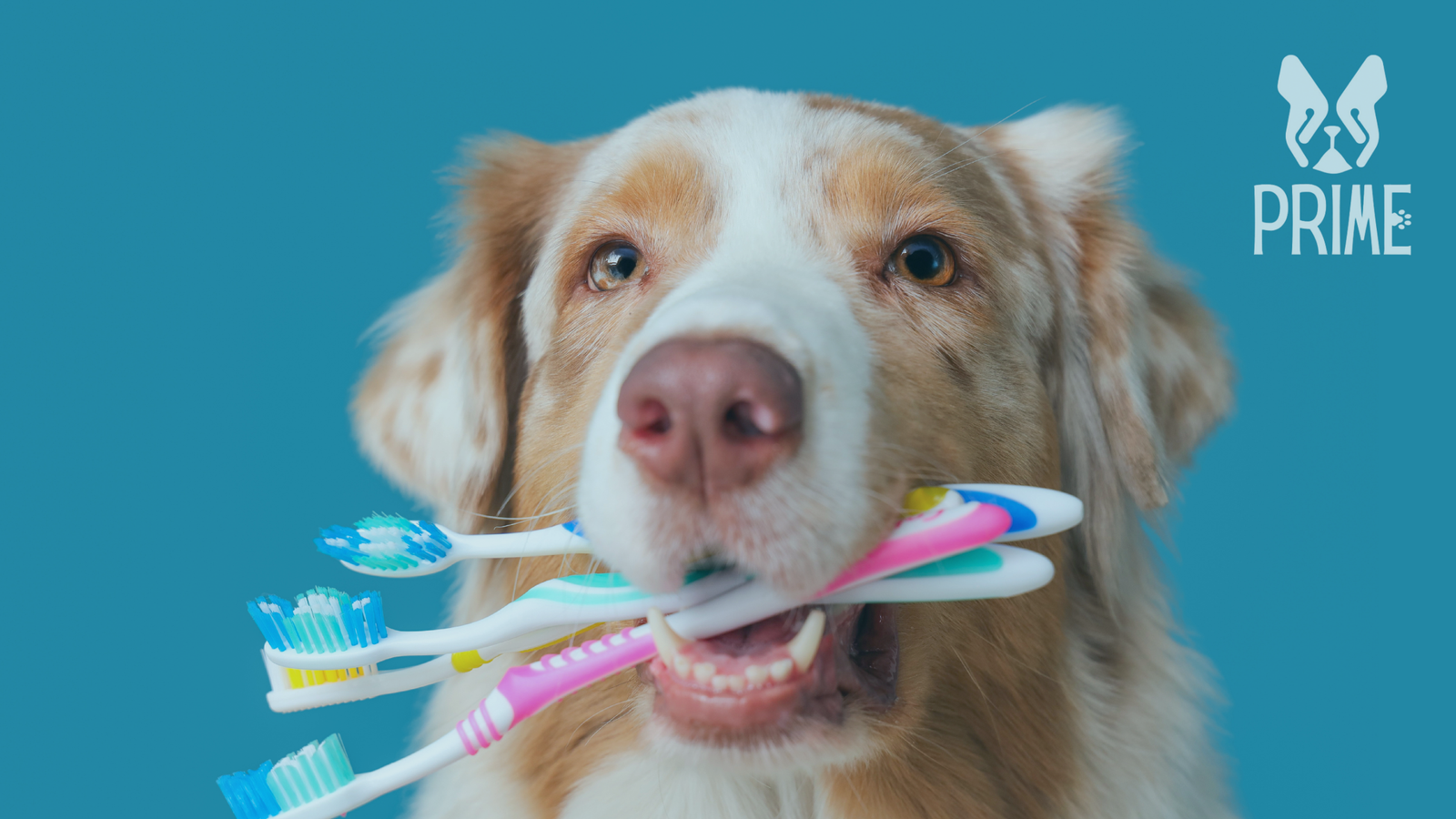

A clean mouth does much more than freshen your pet’s breath, it protects their heart, kidneys,
liver, and overall wellbeing. At Prime Paws in Business Bay, we see how dental care in pets
directly impacts their health, comfort, and even lifespan.
Studies in Frontiers in Veterinary Science and the Journal of Veterinary Dentistry reveal that up
to 80 percent of dogs and 70 percent of cats show signs of dental disease by age three. Because
pets instinctively hide pain, most owners never realize their companion is suffering until disease
has advanced. Regular dental examinations and professional cleaning are therefore not luxury
procedures, they are preventive medicine that keeps your pet alive, energetic, and pain-free.
Recognizing When Your Pet Needs Dental Care
Pets rarely complain about tooth pain. Dogs and cats adapt quietly, eating on one side of the
mouth or swallowing food whole. By the time obvious symptoms appear, serious gum or bone
damage may already exist.
Common signs include:
● Persistent bad breath
● Difficulty chewing or dropping food
● Pawing at the mouth or drooling excessively
● Yellow or brown tartar buildup
● Bleeding or swollen gums
● Loose or missing teeth
● Nasal discharge or sneezing caused by deep infection
● Behavioral changes such as irritability or hiding
Each symptom reflects a deeper biological process. Bad breath (halitosis) results from bacterial
plaque fermenting on tooth surfaces. Hardened tartar provides a perfect environment for these
microbes to invade the gums, where inflammation begins. Gingivitis is the earliest and most
reversible stage of periodontal disease, progressing silently until bone loss and tooth mobility
occur.
When oral bacteria enter the bloodstream, they can seed infections in distant organs. This is
why veterinarians emphasize early checkups: they stop local disease before it becomes a
systemic threat.
Why Professional Veterinary Dental Care Matters
Home brushing and dental diets are vital but cannot remove plaque buried beneath the gum
line. The most destructive bacteria live there. Professional veterinary dental care remains the
gold standard because it combines expertise, technology, and preventive strategy.
At Prime Paws, our dental program includes:
1. Full Oral Examination
Every surface, teeth, gums, tongue, and palate are inspected. Subtle changes such as gum color
or rough enamel reveal early disease before bone destruction occurs.
2. Dental X-Rays
Around 60 percent of dental pathology lies below the gum line. Radiographs expose hidden
abscess, root fractures, or bone loss invisible to the naked eye.
3. Scaling and Polishing
Using precision instruments, plaque and tartar are removed from above and below the gums.
Polishing smooths enamel surfaces, slowing future bacterial attachment.
4. Treatment and Extraction
If an infected tooth threatens surrounding bone, extraction relieves pain and halts bacterial
spread. Each case follows evidence-based protocols supported by pain management and
post-operative care.
5. Preventive Education
Pet owners receive customized plans from brushing demonstrations to safe chew
recommendations ensuring consistent care at home.
Neglecting professional cleaning allows bacteria to migrate through blood vessels, raising the
risk of endocarditis (heart valve infection), kidney inflammation, and liver damage. The Research
in Veterinary Science Journal (2019) confirmed that dogs with periodontal disease show
significantly higher systemic inflammatory markers compared to healthy controls.
The Vital Role of Anesthesia in Safe Dental Procedures
Effective dental work requires complete visibility of the teeth and gum pockets. These areas are
sensitive, and deep cleaning would be painful and stressful without anesthesia.
Anesthesia ensures:
● A pain-free and calm experience
● Complete access to all tooth surfaces, including beneath the gum line
● Precise radiographic imaging with no patient movement
● Prevention of accidental injury from instruments
● Safe performance of surgical steps like extractions or gum repairs
Before anesthesia, each pet undergoes a detailed pre-operative assessment that includes
physical examination, blood tests, and individualized anesthetic planning. During the procedure,
continuous monitoring of heart rate, oxygen levels, respiration, and body temperature keeps
your pet safe at every stage.
Home Dental Care: Building Daily Habits
Professional cleanings form the foundation, but daily care at home keeps plaque from returning.
Introduce dental hygiene gradually, start by letting your pet taste veterinary-grade toothpaste,
then move to gentle brushing. Focus especially on upper back teeth, where tartar accumulates
fastest.
Supportive measures include:
● VOHC-approved dental chews and treats proven to reduce tartar safely
● Enzymatic oral gels or water additives to limit bacterial growth
● Specialized dental diets with kibble designed to clean teeth as pets chew
● Regular re-checks every six to twelve months, or more often for small breeds and older
pets
Consistency is key. Even with good home habits, professional scaling should still be repeated as
recommended by your veterinarian to prevent hidden disease from advancing.
The Health Impact Beyond the Mouth
The veterinary research confirms that the mouth is a window to the body. Chronic dental
infections release inflammatory mediators that circulate throughout the bloodstream. These
molecules can accelerate cardiac disease, worsen diabetes, and strain the immune system.
A long-term study published in Veterinary Clinics of North America (2021) found that dogs
receiving regular professional dental care showed lower markers of systemic inflammation and
improved longevity. Another report from the American Veterinary Dental College (AVDC)
emphasized that periodontal disease, if untreated, is linked to early organ degeneration and
reduced lifespan in companion animals.
Regular dental maintenance doesn’t just make your pet look and smell better, it adds healthy,
active years to their life.
References:
● Frontiers in Veterinary Science: Global Prevalence of Periodontal Disease in Pets (2020)
● Research in Veterinary Science: Systemic Inflammation from Oral Infection (2019)
● Journal of Veterinary Dentistry: Diagnostic Imaging for Hidden Oral Pathology (2021)
● American Veterinary Dental College (AVDC): Professional Cleaning and Home Care
Guideline